Concrete Flooring: The Resilient and Attractive Solution for Today's Homes
Concrete flooring has become a popular solution for contemporary homes. Its blend of durability and visual versatility resolves typical flooring concerns. Homeowners value its resistance to damage and humidity, together with its selection of attractive surface treatments. As they evaluate their alternatives, numerous homeowners wonder how to elevate their interiors even more. Which distinctive elements can turn an ordinary concrete floor into a focal point?
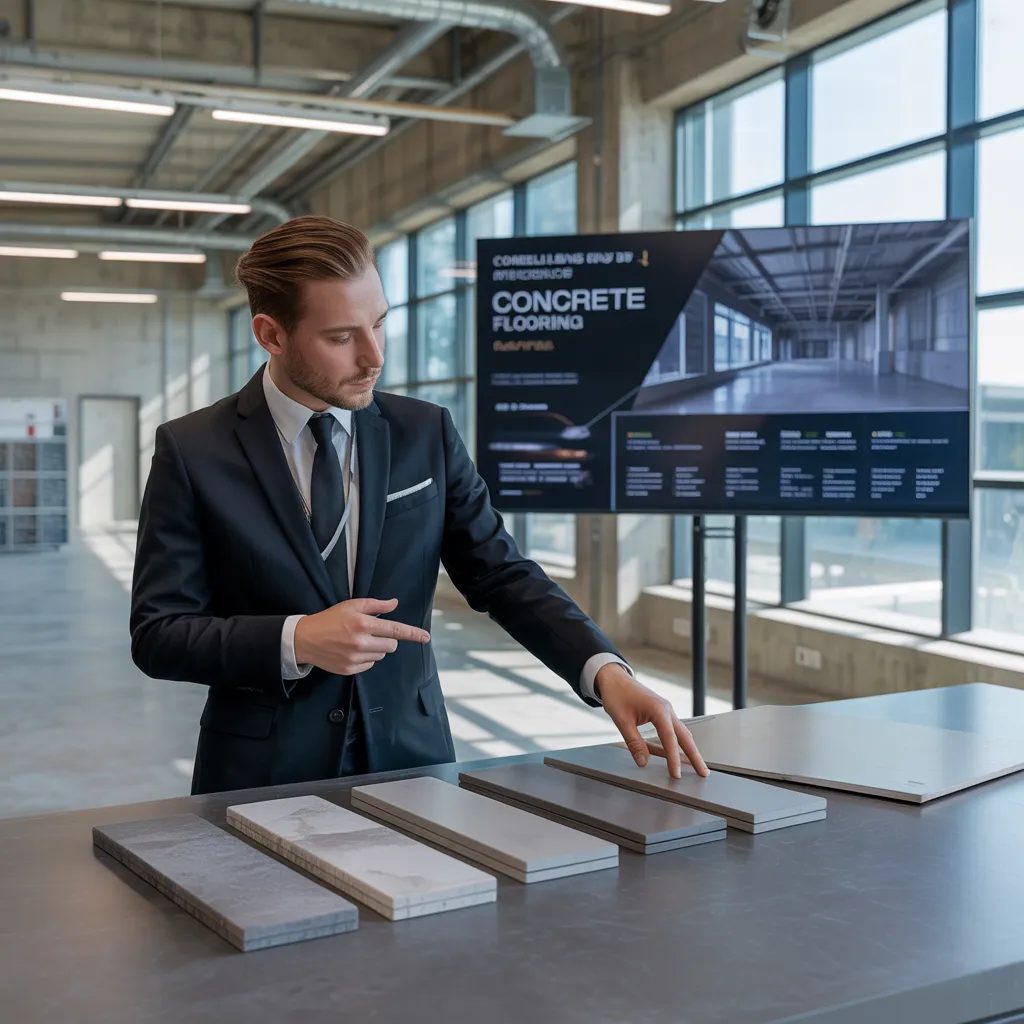
Solving Flooring Problems: Why Concrete Stands Out as the Solution
As many homeowners struggle with choosing the appropriate flooring, concrete proves to be a well-rounded choice that tackles a variety of concerns. Its long-lasting nature is particularly impressive, as concrete holds up well under heavy pedestrian use, rendering it an excellent option for areas with constant activity. In contrast to wood or carpet, concrete is resistant to moisture, mold, and pests, offering a low-maintenance alternative that requires minimal upkeep. Furthermore, concrete flooring proves to be economical over time, as it typically demands less frequent repairs and replacements than conventional flooring options.
One more notable benefit is its impressive energy efficiency; concrete bounces light back, helping to reduce energy costs associated with lighting. Additionally, its heat-retaining properties can manage interior temperatures, leading to a more pleasant interior atmosphere. Such characteristics make concrete a sensible option for contemporary homeowners seeking a balance between durability and practicality, successfully overcoming numerous typical flooring challenges.
Discovering Stylish Finishes and Textures for Concrete Floors
Concrete flooring not only offers durability and low maintenance but also provides a canvas for creativity in design. Various finishes and textures can be applied to enhance the aesthetic appeal of concrete floors, making them suitable for diverse interior styles. Polished concrete presents a sleek, reflective surface that adds sophistication to modern spaces, while stamped concrete can mimic natural materials like stone or wood, providing a warm, inviting look.
In addition, acid staining creates vibrant, diverse tones, turning plain concrete into a stunning masterpiece. For a more tactile experience, decorative overlays can bring in original patterns and surface details, elevating the flooring beyond its basic form. Whether achieving a rustic charm or a contemporary edge, the wide range of finishes and textures ensures that concrete flooring can fulfill the unique design requirements of any residence, marrying functionality with style seamlessly.
Finding the Perfect Hue: Hue Selections for Concrete Floor Surfaces
Selecting the perfect hue for a concrete floor can greatly enhance the visual appeal of contemporary residences. Current color trends present a wide selection of possibilities, while personalization enables homeowners to attain a unique look suited to their preferences. Exploring these options is crucial for creating a unified and appealing environment.
Trending Color Choices
With homeowners increasingly pursuing unique and tailored design preferences, the color choices for concrete flooring have grown significantly. Modern trends highlight a broad spectrum, ranging from earthy shades including rich browns and muted grays to striking colors like deep blues and vivid reds. Neutral colors remain popular for their versatility, making them easy to integrate with diverse design components. Furthermore, metallic effects and textured designs are becoming increasingly sought after, introducing dimension and visual interest to living areas. These options not only enhance the visual appeal of a home but also enrich its general ambiance. With such diverse choices, homeowners can easily find the perfect hue to complement their individual style while benefiting from the long-lasting nature of concrete flooring.
Personalization Options Available
When picking out the ideal hue for concrete floors, property owners often discover a abundance of customizable possibilities that suit their personal style. A range of approaches, such as staining, dyeing, and integral coloring, enable a spectrum of shades from subtle pastels to vibrant tones. Additionally, residents can choose between satin and glossy finishes, further enhancing the aesthetic appeal. Textures and patterns can also be added, contributing depth and charm to the space. For those seeking a naturally inspired aesthetic, neutral earth tones replicate wood or stone, while current trends may incorporate bolder colors. At the end of the day, the versatility of color choices confirms that every concrete floor can be a genuine expression of the resident's personal style and vision.
How to Keep Your Concrete Floors Looking Great
Maintaining the immaculate condition of concrete floors requires regular upkeep and maintenance. Regular sweeping and vacuuming is necessary to clear away dirt and debris that can scratch the surface. Using a pH-neutral cleaner when mopping effectively removes stains without harming the floor's finish. For difficult stains, a blend of baking soda and water can be effective; however, strong chemical agents should be kept away to preserve the concrete's quality.
Adding a sealant periodically boosts the floor's strength and luster, defending it from spills and wear. In areas with heavy foot traffic, placing area rugs can further safeguard against scuffs and scratches. In addition, addressing spills promptly prevents staining and maintains the floor's attractive appearance. Routine checks for cracks or damage will detect concerns before they worsen, ensuring the concrete remains a long-lasting feature of the home. Through these easy upkeep habits, concrete floors can continue to impress with their beauty and resilience.
Exploring the Costs of Concrete Flooring?
What should homeowners anticipate spending on concrete flooring? The costs can vary considerably based on factors such as the type of finish, the complexity of the installation, and regional pricing. Typically, homeowners can plan on budgeting between $2 to $12 per square foot. Basic concrete flooring is the most economical option, while decorative finishes, such as stained or polished concrete, can increase the price.
Additional expenses may arise from preparatory work, including leveling and sealing, which can amount to between $1 and $5 per square foot. Additionally, labor costs, typically ranging from $3 and $7 per square foot, are a key factor in the overall cost. Homeowners must also take into account long-term savings associated with concrete flooring, such as reduced maintenance and durability, which can reduce the impact of upfront costs over time. Being aware of these considerations is key to making well-informed financial choices regarding concrete flooring options.
Captivating Polished Concrete Designs for Your Home
Concrete flooring presents a wealth of remarkable options that can revitalize any interior. Creative design layouts and color personalization choices give homeowners the ability to adapt their floors to express individual taste, while eco-friendly finishing techniques offer eco-conscious solutions. Together, these features produce aesthetically impressive and environmentally responsible interior environments.
Unique Design Patterns
Transforming floors with unique design patterns can elevate the aesthetic of any modern home. Concrete flooring offers a versatile canvas for creative expression. Geometric forms, like chevrons and herringbones, bring a current aesthetic, while rounded motifs can produce an impressive centerpiece. Stenciled patterns enable homeowners to personalize their space with elaborate details, boosting visual appeal. Furthermore, polished concrete can feature textures that replicate natural stone or wood, delivering a refined yet long-lasting surface. For a more artistic approach, decorative overlays can introduce artistic elements, transforming ordinary spaces into eye-catching masterpieces. By applying these innovative design patterns, homeowners can attain a remarkable aesthetic that matches their personal taste and enriches the overall character of their home environment.
Color Configuration Options
What shades can genuinely elevate an interior? Concrete flooring offers a versatile canvas for color customization, allowing homeowners to showcase their unique taste. From warm earth tones like terracotta and sandy beige to vibrant hues such as cobalt blue or deep crimson, the choices are remarkably diverse. Staining techniques allow for subtle variations within a single color, creating depth and interest. To achieve a contemporary look, homeowners can opt for polished finishes in cool grays or whites, amplifying natural light and an open feel. Furthermore, supplementary color elements, such as colored aggregates or metallic pigments, deliver a distinctive touch. By selecting the right colors, concrete flooring can elevate any room, harmonizing with existing decor while adding a contemporary touch.
Sustainable Finishing Approaches
As many homeowners look for aesthetic value, environmentally conscious finishing methods for concrete floors also emphasize sustainability. For copyrightple, water-based sealers lower toxic emissions when compared to conventional solvent-based alternatives. Additionally, natural pigments provide vibrant color without the environmental impact refer now of synthetic dyes. Salvaged materials, like glass or metal particles, can be added to the concrete blend, improving aesthetic appeal while cutting down on waste. Techniques like acid staining not only achieve unique designs but also use less harmful chemicals than conventional methods. Finally, polishing concrete enhances its durability, reducing the need for frequent replacements. Embracing these environmentally friendly methods not only produces stunning flooring but also promotes a cleaner, more sustainable home environment.
Common Questions and Answers
Is Concrete Flooring Suitable for Outdoor Use?
Concrete flooring is certainly appropriate for outdoor applications, delivering exceptional durability and resilience against the elements. Its adaptability accommodates a wide range of finishes, making it an appealing option for patios, walkways, and outdoor living areas.
Can I Install Concrete Flooring Myself?
Indeed, someone can install a concrete floor by themselves, given that they have the needed skills, tools, and knowledge of the installation process. It's essential to follow the correct techniques to guarantee a durable and aesthetically pleasing finish.
How Does Concrete Floor Compare to Hardwood Flooring?
Concrete flooring offers superior durability and low maintenance when compared with hardwood. However, hardwood provides a warm and attractive appearance. At the end of the day, the choice relies on individual taste, budget, and how the space will be used.
Are There Eco-Friendly Options for Concrete Flooring?
Indeed, there are green choices for concrete flooring. These include reclaimed materials, environmentally safe sealants, and sustainable production methods, all contributing to reducing environmental impact while maintaining structural integrity and visual appeal in modern architectural design.
How Long Do Concrete Floors Last?
Concrete floors typically have a life expectancy of 30 to 50 years, influenced by factors such as installation quality, maintenance, and environmental conditions. With the right maintenance, their lifespan can extend significantly, making them a durable flooring option.